A Homily for Easter Sunday 2026
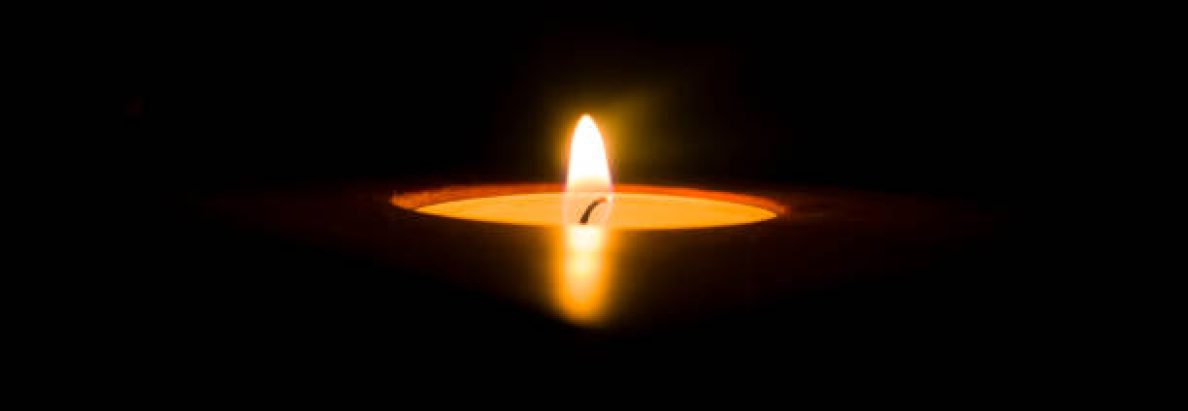
During the last 8 months or so I have been privileged to participate in a program called: Narrative Focused Trauma Care. The focus of this program is to help people address, through narrative, their own experiences of trauma with a view towards then assisting others along the same journey. The program rests on the fundamental belief that trauma, and the shame that it induces, only thrives in the dark. Once it is made visible in story, it withers, decays, deteriorates, and dies creating the compost, the very seed bed for New Life.
On the first weekend of this program, I “zoomed” into a group of strangers, my cohort, or my “story group.” But these were strangers also dedicated to healing form trauma and to becoming healing for the trauma of others. And during that first weekend, even via Zoom, something remarkable occurred: I shared things with these “strangers” I had never shared with people who have known me for decades and I was seen by them. They saw me in the midst of the darkness, amid the tomb I was encased in, and through their eyes, I was made visible to myself as someone much more than the trauma that had too long defined me. It was a taste of the reality of Resurrection as Now! The Resurrection as a daily event! Being made visible is the work of Resurrection and unless we are willing to do that work we cannot witness to the reality of Resurrection as Now which so many people need to experience today.
In the gospel today, Peter and the Beloved Disciple race to the empty tomb of Jesus. Peter, like so many people today, stumbles into the tomb by the sheer force of the forward motion pushing him, even coercing him into the dark. He “sees” the abandoned burial cloths of Christ and he scratches his head in befuddled wonderment. But the Beloved Disciple stops short of the tomb’s entrance, and with intentionality, and as an act of free choice, slows down enough to step into that emptiness, that darkness. He too sees the abandoned burial cloths and he sees the veil which covered up the face of the dead Christ. A veil now carefully rolled up and definitively cast aside. And the evangelist tells us: “He saw and believed.” The unveiling of the face of the Risen Christ is the unveiling of all our faces. And it isn’t just “seeing and believing” it is, perhaps more importantly, being seen and believed. The Beloved Disciple was seen by Resurrection Eyes that pierce the darkness and call us all home; home to healing, home to hope, home to the truth of who we’ve always been in the eyes of God. Home to a glory not just reserved for later, but a glory that is ours today!
What brings about the reality of Resurrection right here and right now? It isn’t so much our seeing but rather it is our being seen. it is how we are made visible in the midst of the darkness that haunts us. A light shining in the darkness; amid a darkness that cannot, and will never, overcome us!
Our scriptures this Easter morning tell us: “When Christ your life appears then you too will appear with him in glory,” because his Resurrection eyes will reveal you as the light you were created to be. The veil that covered Christ’s face is definitively removed, rolled up, and tossed aside. The face of the Risen Christ is made visible and in him our faces are made visible as well. And it is our faces made visible that witness to the Resurrection for others.
When Christ Appears, We Appear… through death to life, through darkness to light. When like the Beloved Disciple, we intentionally and courageously step into the darkness of our own tombs we set the stage for Resurrection. We see in the dark the face of the Risen Christ revealed and in his eyes, and yes, necessarily through the eyes of our brothers and sisters, we catch a transformative glimpse of who we are. We appear with him in glory. A glory that was always ours!
In this trauma care work I was privileged to do, I came to know, in my own flesh and bones, something of the truth revealed in Psalm 118: “The stone which the builders rejected has become the cornerstone, by the Lord has this been done; it is wonderful in our eyes.”
Jesus himself took hold of that very verse to explain his own life, his own mission, and the truth about the journey we must be willing to go on, the journey we must be willing to undergo, if we are to know Resurrected Life even now and be witnesses of Resurrected Life for others.
There is nothing more like the reality of Resurrection than to stand in the darkness of our own tombs, the darkness of our own shame, the darkness of our own pain and be made visible by the eyes of those who say: I see you and it is “wonderful in our eyes!”
 Chiaroscuro Spirituality